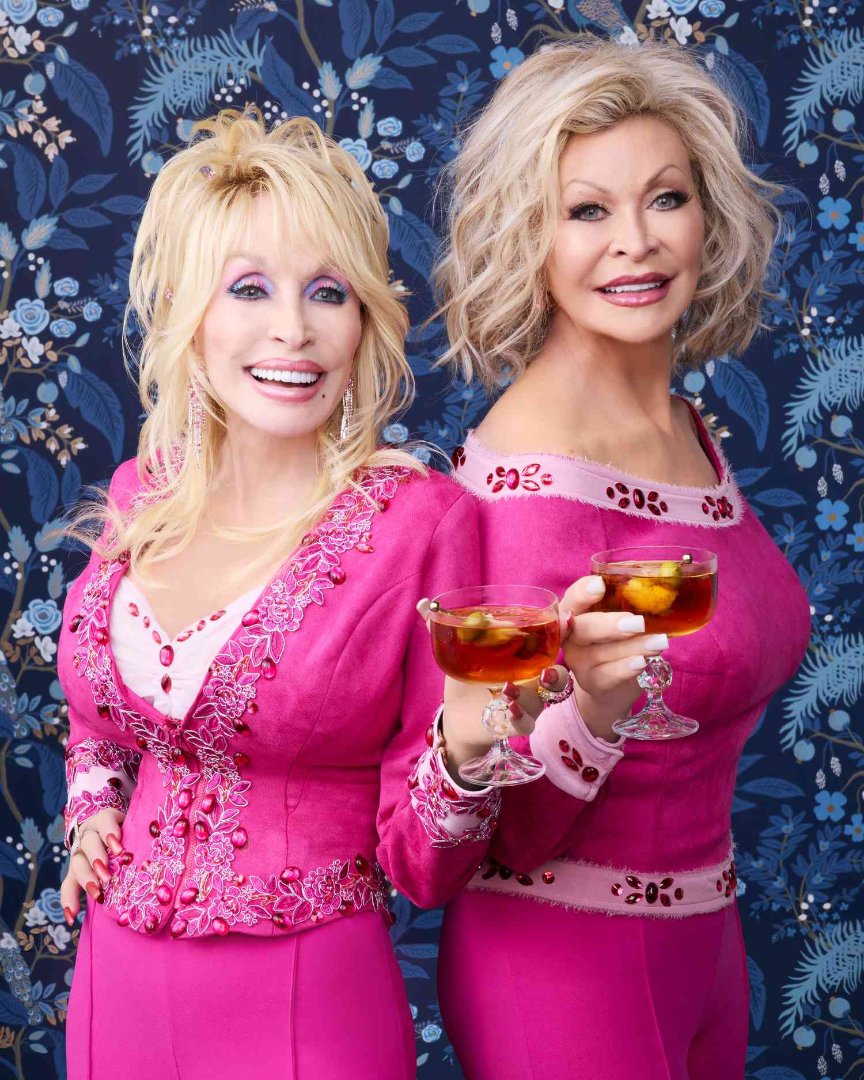
Tennessee — “Give my sister back. She deserved more time.”
In this fictionalized scene, those devastating words cut through the silence of a candlelit memorial as Dolly Parton’s grieving sister struggled to contain her emotions before finally breaking down in tears.
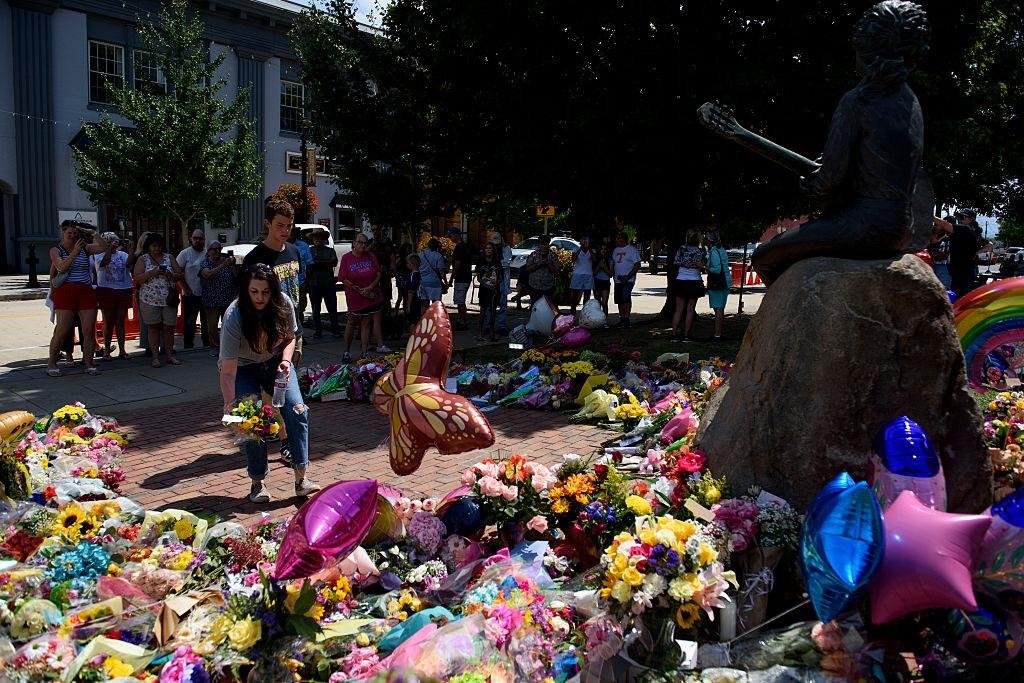
Around her were hundreds of flowers, handwritten messages, pH๏τographs, candles, and small reminders of a woman whose music had touched generations.
But among all the tributes, one framed pH๏τograph seemed to matter more than anything else.
It was a pH๏τograph of Dolly.
Clutching it тιԍнтly against her chest, her sister slowly dropped to her knees.
For several seconds, nobody around her seemed to know what to do.
A Sister’s Grief Beyond the Spotlight
To millions of fans, Dolly Parton represents music, laughter, rhinestones, unforgettable songs, and an extraordinary entertainment career.
To a sister, however, Dolly would always be something far more personal.
Before the awards, sold-out performances, television appearances, and worldwide recognition, there was family.
There were childhood memories.
There were private jokes the public would never understand.
There were conversations that never appeared in interviews.
And there were ordinary moments that fame could never replace.
That distinction forms the emotional center of this fictional story.
The woman being mourned at the memorial was a global icon to the crowd surrounding it.
But to the sister kneeling before her pH๏τograph, she was simply Dolly.
Family.
That was why the imagined scene felt so different from a traditional celebrity tribute.
There was no stage.
No carefully prepared speech.
No spotlight.
There was only grief.
Flowers, Candles and Handwritten Messages
In this fictional scenario, the memorial had grown steadily throughout the day.
Fans arrived carrying bouquets of roses, sunflowers and lilies.
Others brought candles.
Some left handwritten letters describing the first time they heard Dolly sing.
Several messages thanked her for providing comfort during difficult periods in their lives.
Others mentioned mothers, fathers, grandparents and partners who had shared Dolly’s music with them.
One message simply read:
“Thank you for making the world kinder.”
Another said:
“Your songs were part of our family.”
As evening approached, hundreds of tiny lights illuminated the growing collection of tributes.
People spoke quietly.
Some hugged strangers.
Others stood silently looking at pH๏τographs.
Then Dolly’s sister arrived.
According to this fictional account, the mood changed immediately.
People instinctively moved aside, creating a path toward the center of the memorial.
She walked slowly toward the flowers, holding a framed pH๏τograph close to her body.
At first, she said nothing.
She simply looked at the tributes.
Then emotion overwhelmed her.
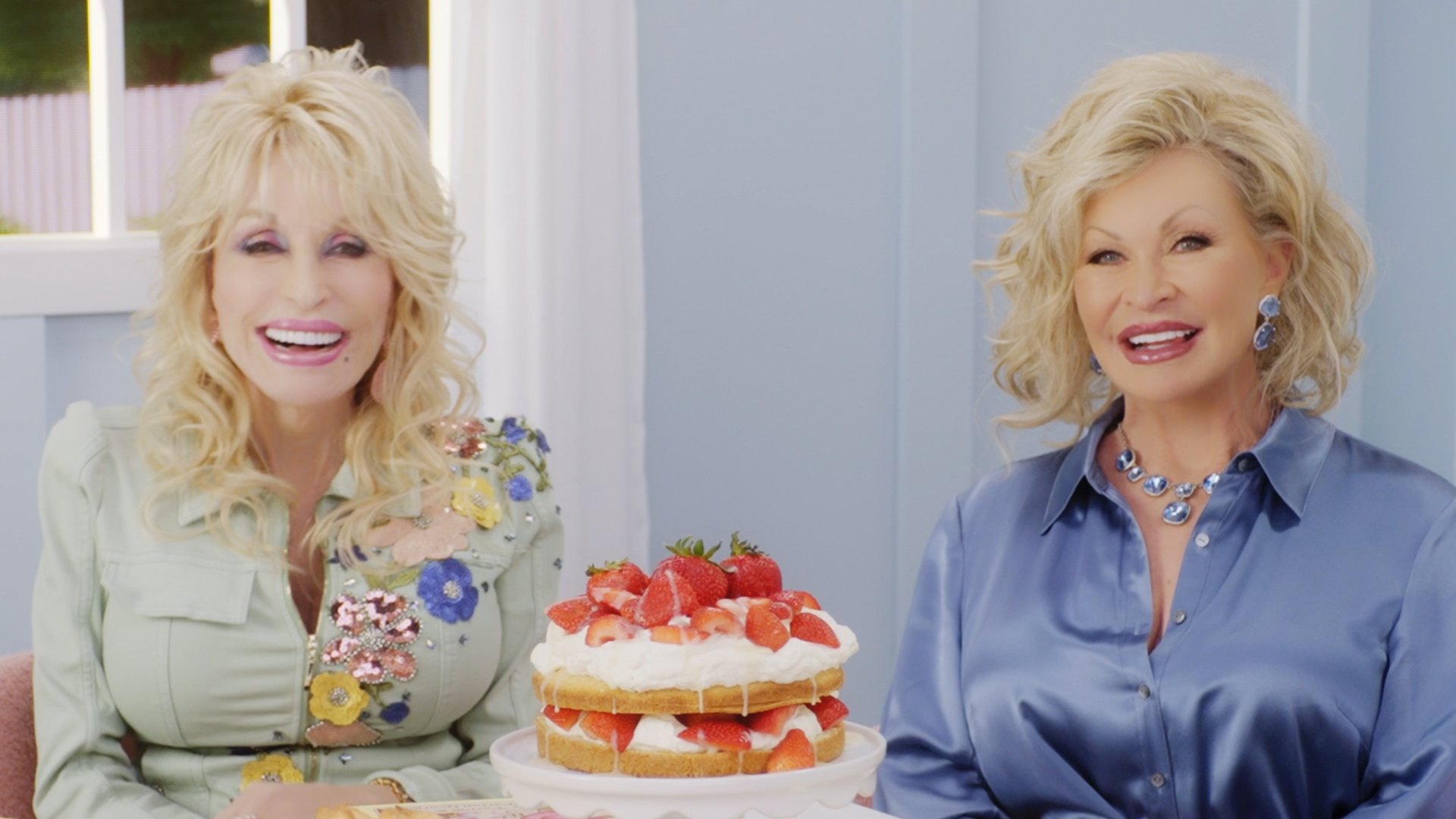
“She Was My Sister Before She Belonged to the World”
In the fictional narrative, someone standing nearby heard her whisper another heartbreaking sentence:
“She was my sister before she belonged to the world.”
The imagined remark captured something fans often forget about famous people.
Celebrity creates a strange kind of shared ownership.
Millions of people feel connected to an artist through songs, films, interviews and memories.
When that artist is gone, those emotions can be very real.
But family experiences a completely different loss.
Fans lose the performer they admired.
A sibling loses the person who remembers childhood.
The person who knew the family before success.
The person who could call without needing an introduction.
No amount of fame changes that relationship.
And no public tribute can replace it.
In the imagined memorial scene, Dolly’s sister pressed the framed pH๏τograph against her chest and began sobbing.
Several people nearby reportedly lowered their phones.
Others turned away, feeling that the moment had become too personal to record.
One woman in the crowd began crying.
Then another.
Soon, the silence itself seemed heavier than anything anyone could say.
An Imagined Clip Spreads Across Social Media
Within the fictional storyline, short clips from the memorial eventually began circulating online.
The words “Give my sister back” rapidly became the emotional focus of the conversation.
Fans shared messages of sympathy.
Some posted pH๏τographs from Dolly’s career.
Others shared favorite songs and explained what her music had meant to their families.
But one comment captured the tone better than most:
“This isn’t about fame or celebrity. It’s a human tragedy.”
The message spread because it addressed something universal.
Grief does not care about awards.
It does not care about record sales.
It does not care how many people recognize someone’s face.
Behind every famous person is a family that knows them differently from the rest of the world.
That idea transformed the fictional scene from a celebrity story into something more intimate.
Memories No Fan Could Ever Know
The most painful part of losing a sibling is often not the major milestones.
It is the ordinary things.
A familiar voice on the telephone.
A birthday call.
A family dinner.
A childhood nickname.
A joke repeated for decades.
A story that only two people remember correctly.
Those details rarely appear in biographies.
They belong to families.
For Dolly’s sister in this fictional account, the memorial would therefore represent far more than the end of an extraordinary public career.
It would represent the disappearance of a piece of her own history.
There would be memories stretching back long before Nashville knew Dolly Parton’s name.
Before the glamorous costumes.
Before the famous songs.
Before millions of people began singing along.
They had been sisters first.
Everything else came afterward.
Fans Remember the Person Behind the Icon
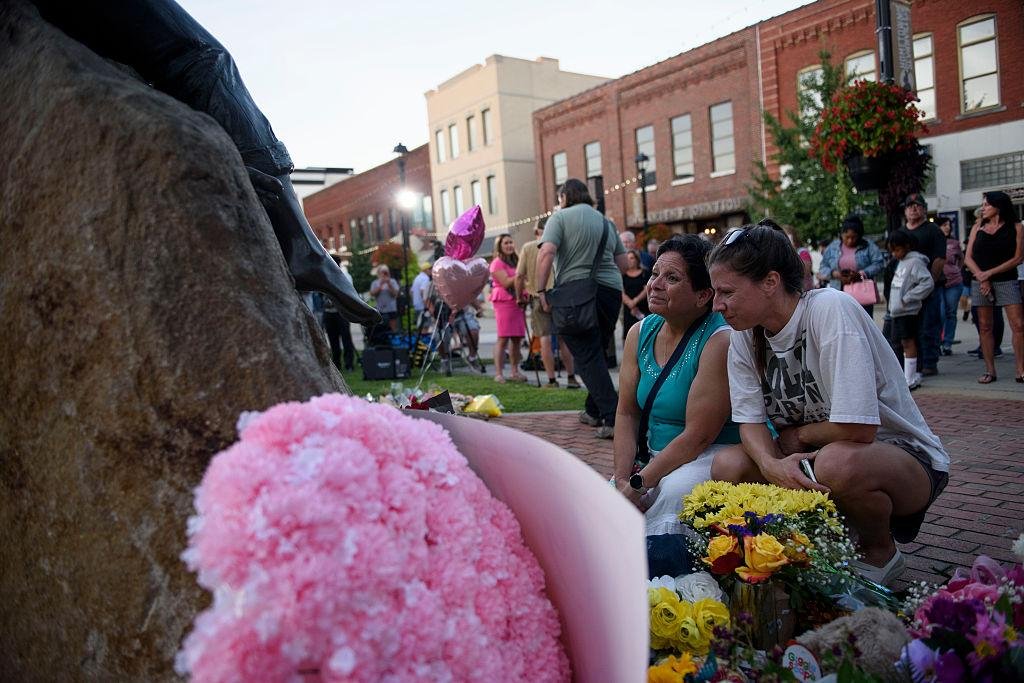
As darkness settled over the fictional Tennessee memorial, more fans continued arriving.
Some placed flowers without speaking.
Some paused for pH๏τographs.
Others remained for long periods, listening quietly as Dolly’s music played nearby.
The atmosphere was not only sad.
There was graтιтude too.
That mixture is common when people remember artists whose work has accompanied several generations.
The sadness comes from knowing there will be no more moments exactly like those that came before.
The graтιтude comes from realizing how much was already given.
Songs remain.
Recordings remain.
Stories remain.
Memories remain.
For families, however, those things can never completely replace the person.
That is why the imagined words from Dolly’s sister carried such emotional weight.
“Give my sister back.”
It was impossible.
Everyone listening knew it.
Perhaps that was exactly why the words hurt.
A Final Quiet Moment
Near the end of the fictional scene, Dolly’s sister slowly stood.
She wiped her eyes but continued holding the pH๏τograph.
Before leaving, she placed one hand against the flowers and remained there silently for several moments.
There was no dramatic final speech.
There did not need to be.
The grief had already said enough.
Fans remained quiet as she walked away.
Behind her, candles continued flickering against the Tennessee night.
Flowers covered the memorial.
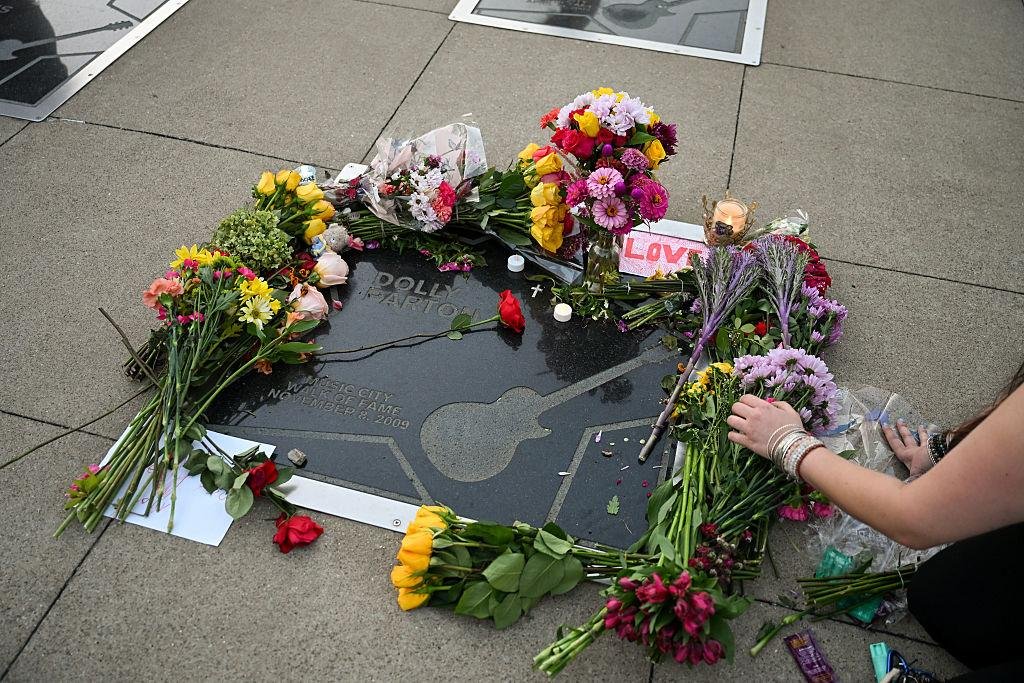
Handwritten messages moved gently in the evening breeze.
And somewhere nearby, one of Dolly’s familiar songs could be heard playing softly.
For millions, Dolly Parton would always be remembered as an extraordinary entertainer whose voice became part of American culture.
But the fictional memorial offered another perspective.
Behind the rhinestones was a daughter.
A friend.
And a sister.
The world might remember the legend.
Her family would remember Dolly.
And in the imagined words that echoed through the memorial — “Give my sister back” — was a kind of pain that fame could never soften and applause could never heal.